Selling a new construction home is fundamentally different from selling a resale property. There’s no lived-in charm to photograph, no established neighborhood to showcase, and often no finished product to show buyers at all.
Yet many builders market new construction the same way agents market resale homes — and wonder why pre-sales stall, model home traffic underperforms, and buyer confidence lags.
The visual media strategy for new construction needs to work across multiple phases, audiences, and timelines. This guide covers exactly what builders and developers need at each stage — from site work to closeout — and how to create marketing materials that sell homes before they’re built.
Why New Construction Needs Different Marketing
You’re Selling a Vision, Not a Home
Resale buyers walk through a finished home and decide if they can see themselves living there. New construction buyers must imagine a finished home based on floor plans, renderings, and model units. That’s a much harder sell — and it requires much stronger visual marketing.
Your Timeline Is Longer
A resale listing launches and ideally sells within weeks. A new construction project may need to generate interest over months or years. Your visual media needs to evolve with the project:
- Pre-construction: renderings, site plans, virtual staging
- During construction: progress documentation, drone aerials, community updates
- Model home ready: professional photography, video, 3D tours
- Active sales: ongoing media for each completed unit
- Closeout: updated photography for remaining inventory
Multiple Audiences Need Different Content
Builders market to several audiences simultaneously:
- Buyers want to see the finished product and community amenities
- Real estate agents want professional media they can use in their listings
- Lenders and investors want construction progress documentation
- Community residents (in phased developments) want to see what’s coming next
Phase 1: Pre-Construction Marketing
Before a single foundation is poured, you need marketing materials that generate buyer interest and secure pre-sales.
Virtual Staging for Unbuilt Units
Virtual staging is arguably the most important tool in pre-construction marketing. It takes architectural floor plans and transforms them into photorealistic images of furnished, finished spaces.
For new construction specifically:
- Stage each floor plan option in a style that matches your target buyer demographic
- Show multiple design options — modern, traditional, transitional — to appeal to different tastes
- Include outdoor spaces — staged patios, decks, and yards help buyers envision the lifestyle
- Create hero images for each unit type that serve as the anchor of your marketing materials
Virtual staging costs $25-$75 per image, making it dramatically cheaper than building and furnishing a model home for photography. For a 5-floor-plan community, you might invest $500-$1,000 in virtual staging to create 15-20 compelling images.
Site and Community Photography
Even before homes are built, the site itself tells a story:
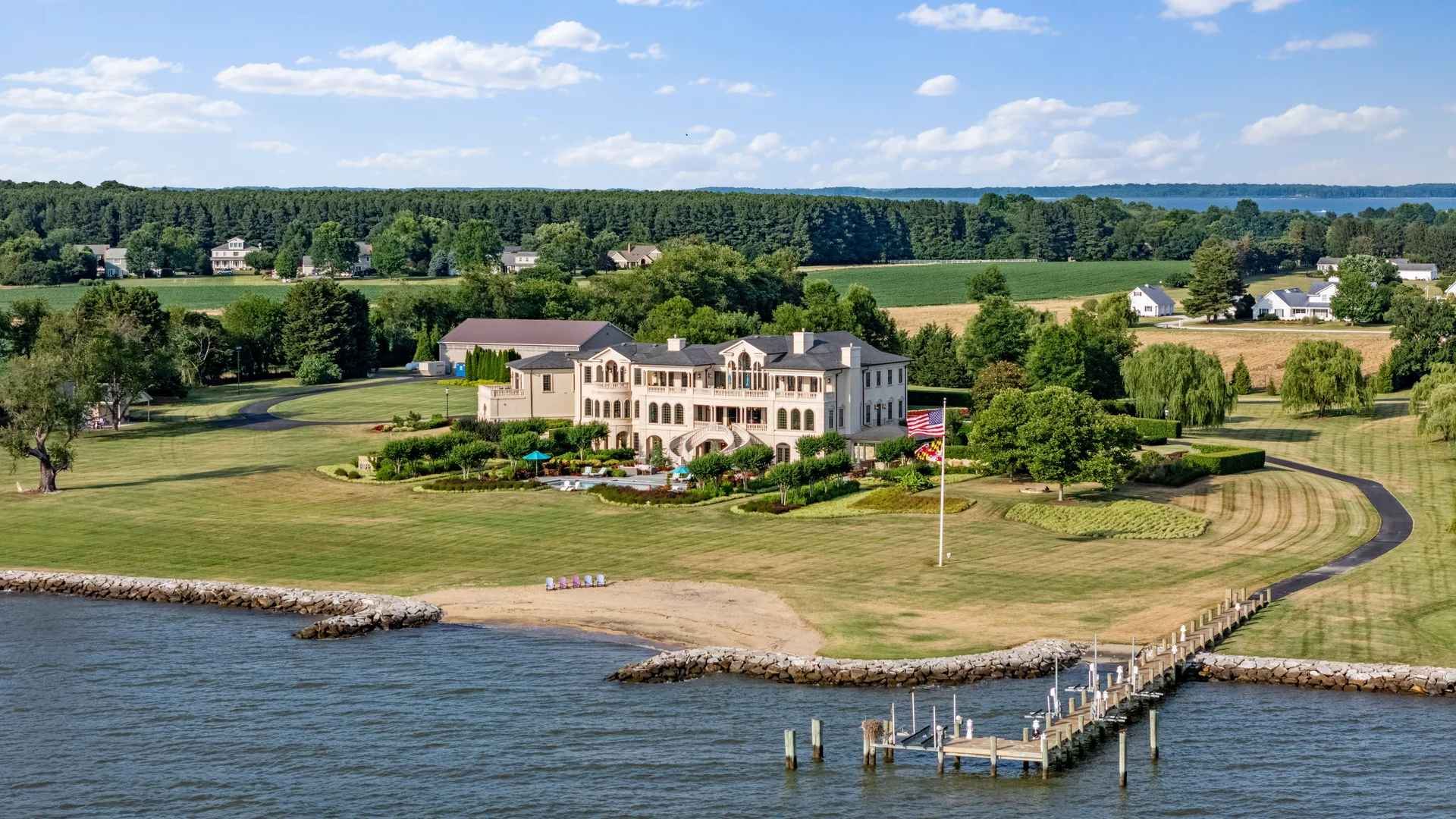
- Drone photography of the land showing topography, views, tree coverage, and surrounding areas
- Neighborhood context shots — nearby schools, parks, shopping, restaurants, transit
- Aerial views showing proximity to major employers, highways, and downtown areas
- Seasonal shots — the land in different seasons shows buyers what they’ll experience year-round
Floor Plan Graphics
Professional 2D and 3D floor plan renderings are essential for pre-sales. Buyers need to understand:
- Room dimensions and layout flow
- How the home lives day-to-day
- Where furniture will go
- How indoor and outdoor spaces connect
Floor plan services convert architectural drawings into buyer-friendly graphics that work in brochures, websites, and listing portals.
Phase 2: Construction Progress Documentation
Once construction begins, regular documentation serves both marketing and operational purposes.
Progress Photography
Monthly or biweekly photo documentation tracks:
- Framing stages — the structure taking shape
- Mechanical rough-ins — showing the quality of what goes behind walls (quality-conscious buyers care)
- Exterior finishes — siding, roofing, stonework as they’re installed
- Interior finishes — cabinets, countertops, flooring, fixtures
- Landscaping and hardscaping — final exterior touches
Construction Drone Flyovers
Drone photography during construction is one of the most underused tools in builder marketing:
- Monthly aerial progress shots create a powerful visual timeline
- Community-wide views show buyers how the neighborhood is developing
- Infrastructure documentation — roads, utilities, amenity construction
- Time-lapse content — compiled from regular flyovers, these videos are compelling marketing for social media and project websites
Who Uses Progress Documentation?
- Marketing team: social media content, website updates, email newsletters to interested buyers
- Sales team: showing buyers how close their unit is to completion
- Lenders: required progress documentation for construction financing draws
- Investors: visual updates on project milestones
- Insurance: documentation of construction phases for risk management
Phase 3: Model Home Marketing
When your model home or first completed unit is ready, it’s time for the full media treatment.
Professional Photography
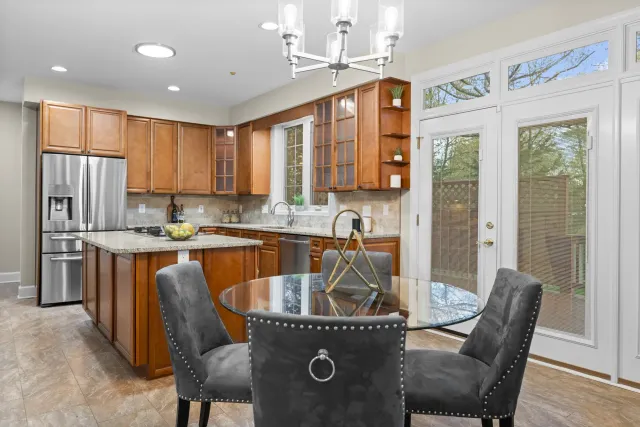
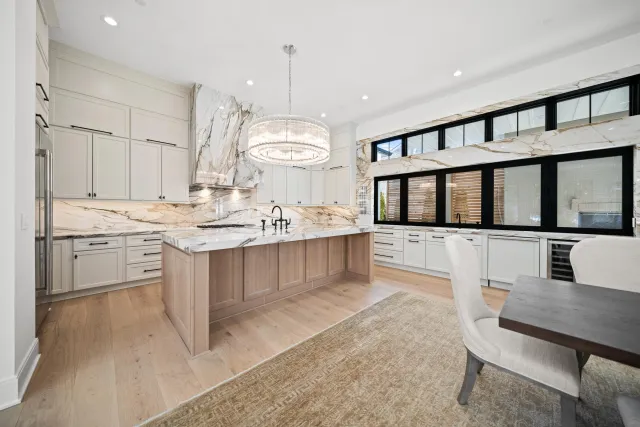
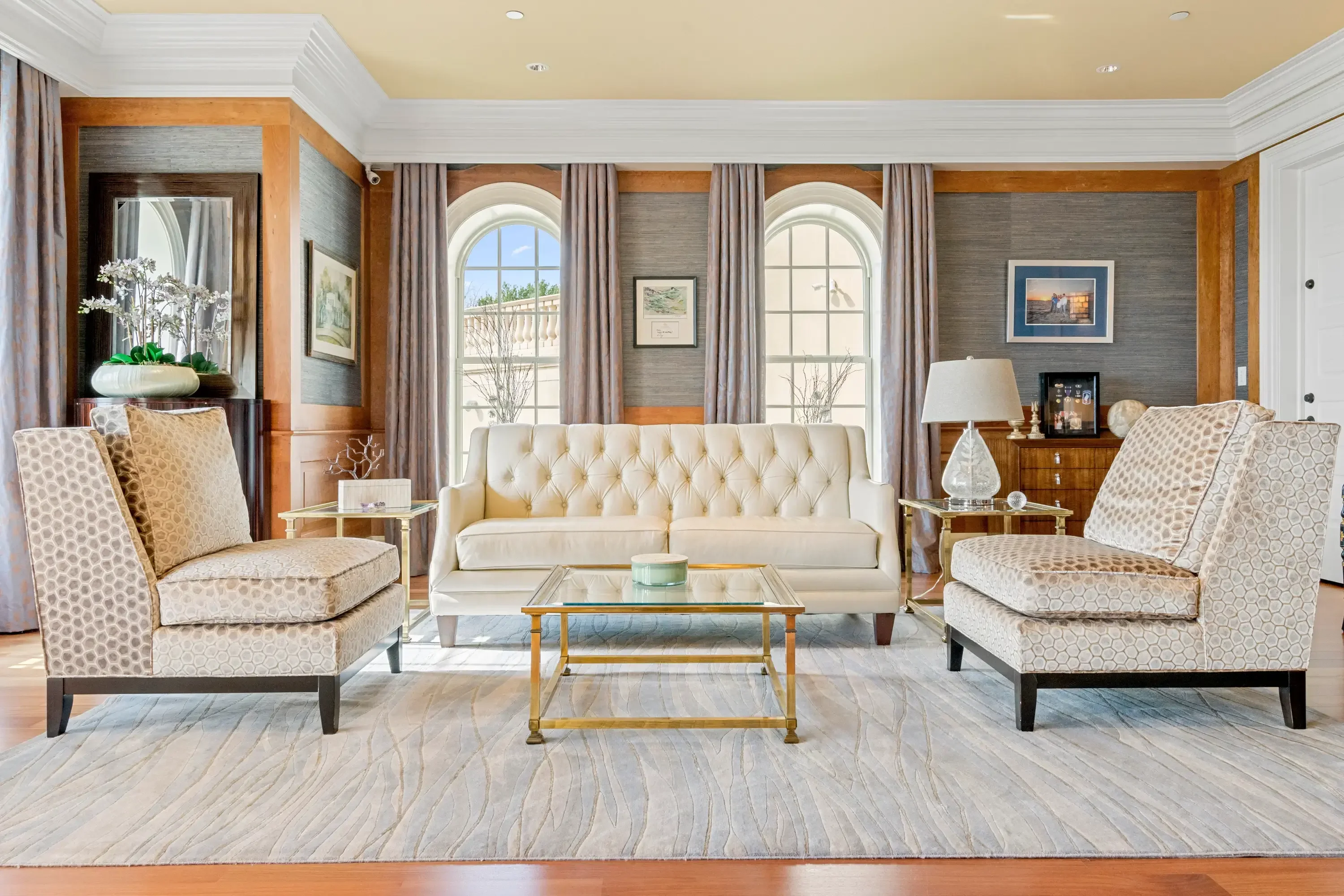
Model home photography is the foundation of all your sales marketing. Invest in comprehensive coverage:
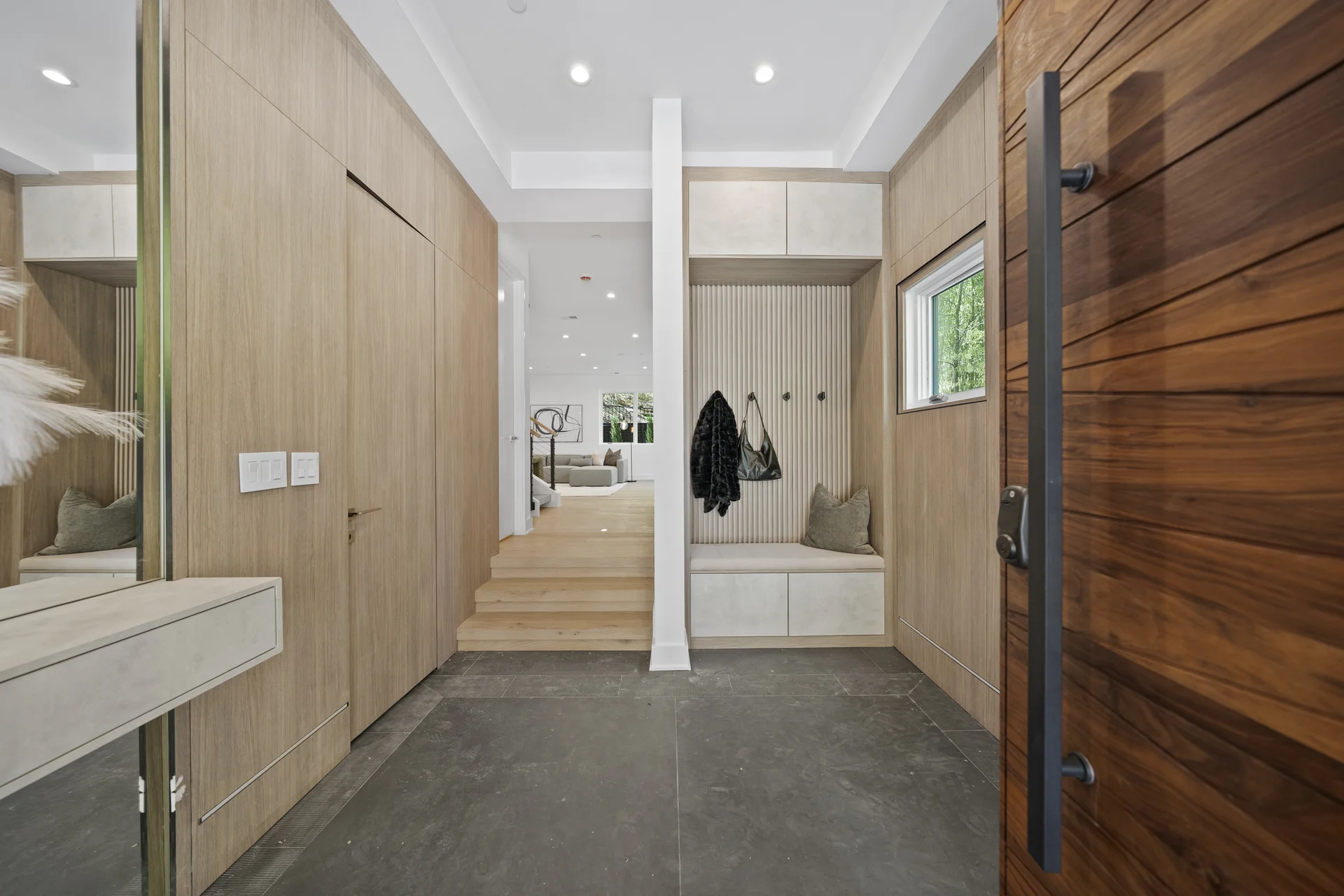
- 50-100+ photos covering every room, detail, and exterior angle
- Wide shots showing room flow and spatial relationships
- Detail shots of finishes — countertops, backsplashes, fixtures, hardware, flooring
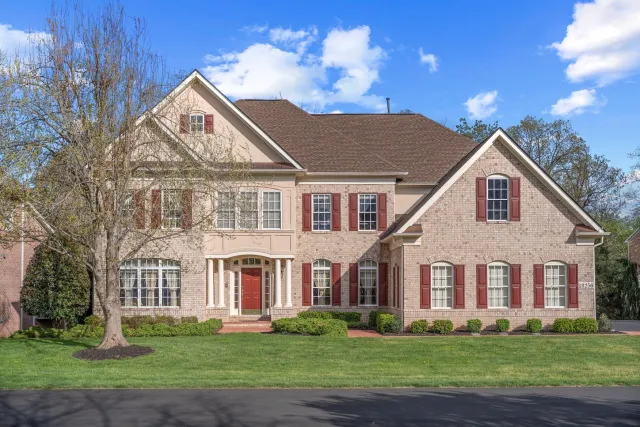
- Exterior shots from multiple angles, including drone aerials
- Twilight/dusk photography — dramatically lit exteriors are some of the most compelling images for new construction
The model home shoot is not the place to cut corners. These photos will be used across every marketing channel for months or years. Schedule a professional shoot →
Video Walkthrough
A professional video walkthrough of the model home serves multiple purposes:
- Website hero content — embed on your project landing page
- Social media — cut into short clips for Instagram Reels and TikTok
- Email marketing — video in emails increases click-through rates significantly
- Agent tools — real estate agents can share the video with buyer clients who can’t visit in person
- Virtual showings — relocation buyers and investors can experience the home remotely
3D Virtual Tour
A Matterport 3D tour of the model home lets buyers explore the space at their own pace. This is particularly valuable for:
- Out-of-state buyers relocating to your market
- Investor buyers evaluating multiple properties remotely
- Agents who want to preview the home before bringing clients
- After-hours engagement — the tour is available 24/7 on your website
Multiple Design Packages
If you offer different finish levels or design packages (standard, premium, luxury), consider:
- Photographing the model home in one design package
- Virtually staging alternate versions showing different finishes, cabinet colors, or flooring options
- Creating side-by-side comparisons that help buyers understand upgrade value
Phase 4: Active Sales Marketing
Once sales are underway, your media needs to support individual unit marketing and ongoing community promotion.
Per-Unit Photography
Each completed spec home or finished unit needs its own photo set. This doesn’t need to match model home production levels, but it should include:
- 25-40 professional photos showing the specific unit’s finishes and views
- Exterior shots showing the unit’s position in the community
- Any unique features — corner lot, premium view, upgraded finishes
Community Updates
As the development grows, update your marketing materials:
- New drone aerials showing the community filling in
- Amenity photography as pools, clubhouses, parks, and common areas are completed
- Resident lifestyle content (with permission) showing the community coming alive
- Seasonal updates — the community looks different in spring bloom vs. winter
Agent Marketing Support
Make it easy for real estate agents to sell your homes:
- Provide high-resolution photos and videos that agents can use in their MLS listings
- Offer a single property website for each unit — a branded URL with all media in one place
- Supply floor plans, feature sheets, and community information in digital format
- Consider creating agent-specific content like virtual tour links and downloadable photo packs
Budgeting Visual Media for a Development
Small Development (5-15 units)
| Service | Estimated Cost |
|---|---|
| Pre-construction virtual staging (10-15 images) | $500-$750 |
| Construction progress documentation (6 visits) | $900-$1,800 |
| Model home full media (photos, video, 3D tour) | $800-$1,500 |
| Per-unit photography (10 units × $200) | $2,000 |
| Ongoing drone aerials (4 quarterly visits) | $600-$1,200 |
| Total | $4,800-$7,250 |
Mid-Size Development (15-50 units)
| Service | Estimated Cost |
|---|---|
| Pre-construction virtual staging (20-30 images) | $1,000-$1,500 |
| Construction progress documentation (12 visits) | $1,800-$3,600 |
| Model home full media (2 models) | $1,600-$3,000 |
| Per-unit photography (30 units × $200) | $6,000 |
| Amenity and community photography | $500-$1,000 |
| Ongoing drone aerials (monthly × 12) | $1,800-$3,600 |
| Total | $12,700-$18,700 |
For a 30-unit development with an average sale price of $500K ($15M total revenue), a $15K media investment represents 0.1% of total revenue — among the highest-ROI line items in the entire marketing budget.
Common Mistakes Builders Make
1. Waiting Too Long to Start Marketing
Pre-construction is when buyer interest needs to be captured. If you wait until the model home is complete, you’ve missed months of potential pre-sales. Start with virtual staging, site drone photography, and floor plan graphics.
2. Using One Photo Set for Everything
A single model home photo shoot can’t serve every marketing need indefinitely. Community photos need updating as construction progresses. Individual units need their own photography. Seasonal changes demand refreshed exterior shots.
3. Skipping Drone Photography
New construction marketing without aerial photography is like selling a car without showing the exterior. Drone shots show the community layout, lot positioning, proximity to amenities, and the overall scope of the development. Drone photography is essential, not optional, for builders.
4. Treating Photography as a One-Time Expense
Visual media for a development is an ongoing investment across the project lifecycle. Budget for regular updates, not just a single model home shoot.
5. Not Providing Media to Agents
If buyer agents have to take their own photos of your units (or worse, use no photos at all), you’re losing control of your brand. Provide professional photos, videos, and tour links for every unit so agents can market your homes to the standard you’ve set.
Build a Visual Marketing Partnership
The builders who get the best results treat their photography and media provider as a partner, not a vendor. That means:
- Establishing a relationship early — ideally during pre-construction planning
- Scheduling regular shoots rather than calling last-minute
- Sharing project timelines so media production aligns with marketing milestones
- Providing feedback on what’s working so future shoots can be optimized
Ready to create a visual media strategy for your next development? Explore Umedia’s services for builders or contact us to discuss your project.