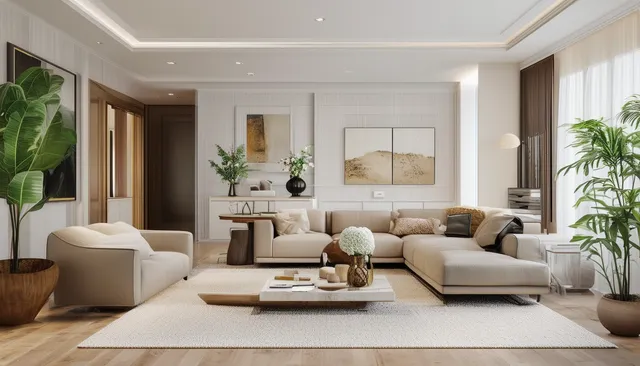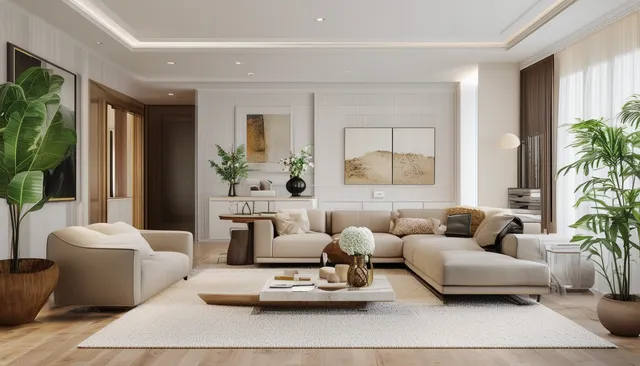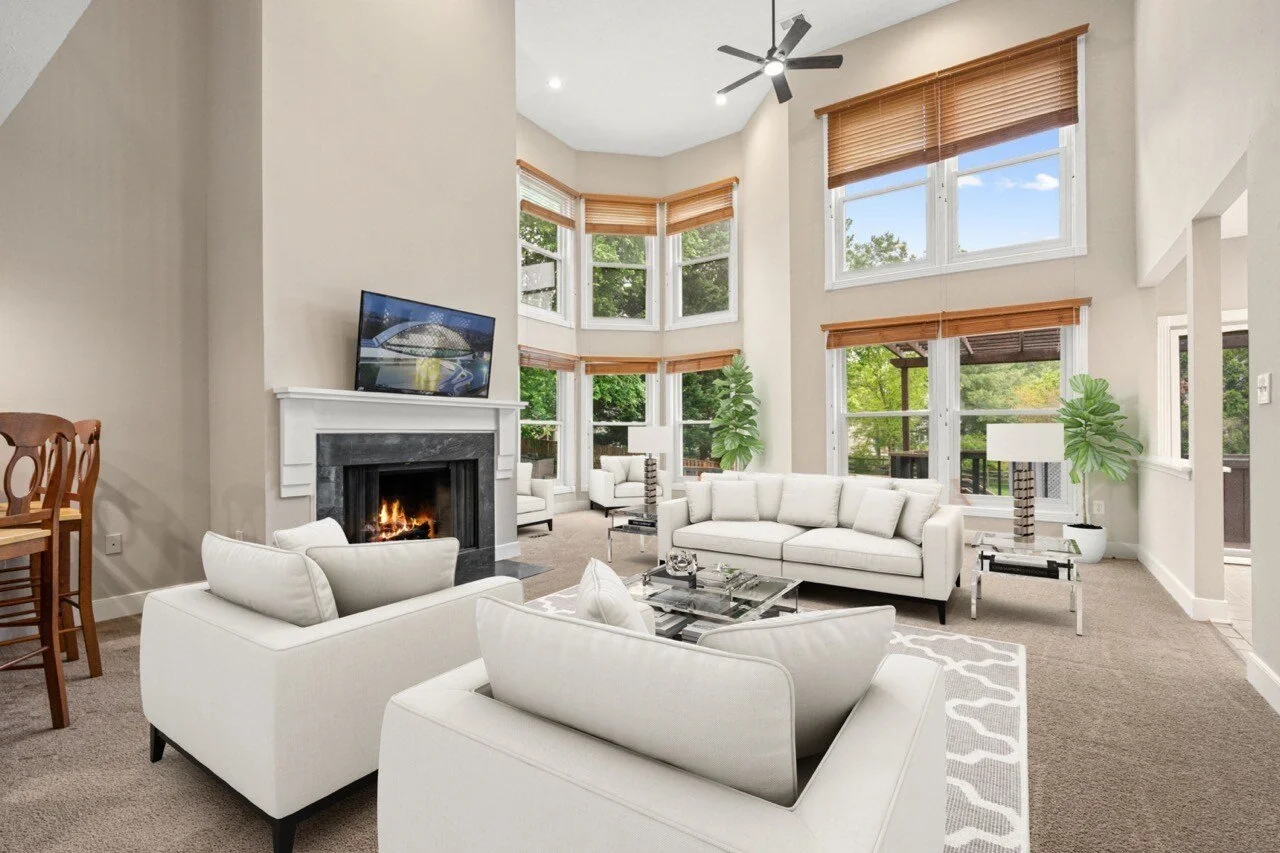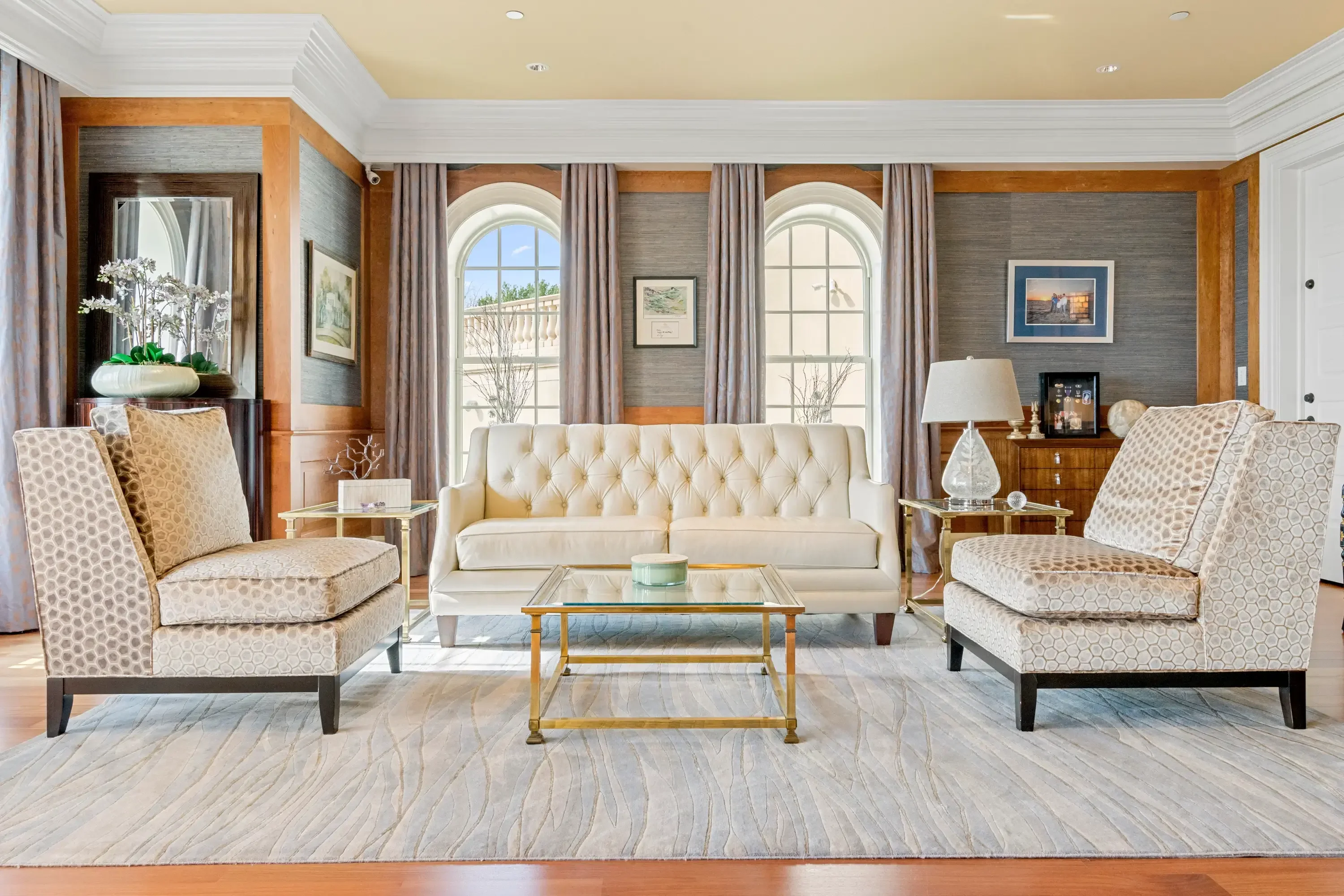
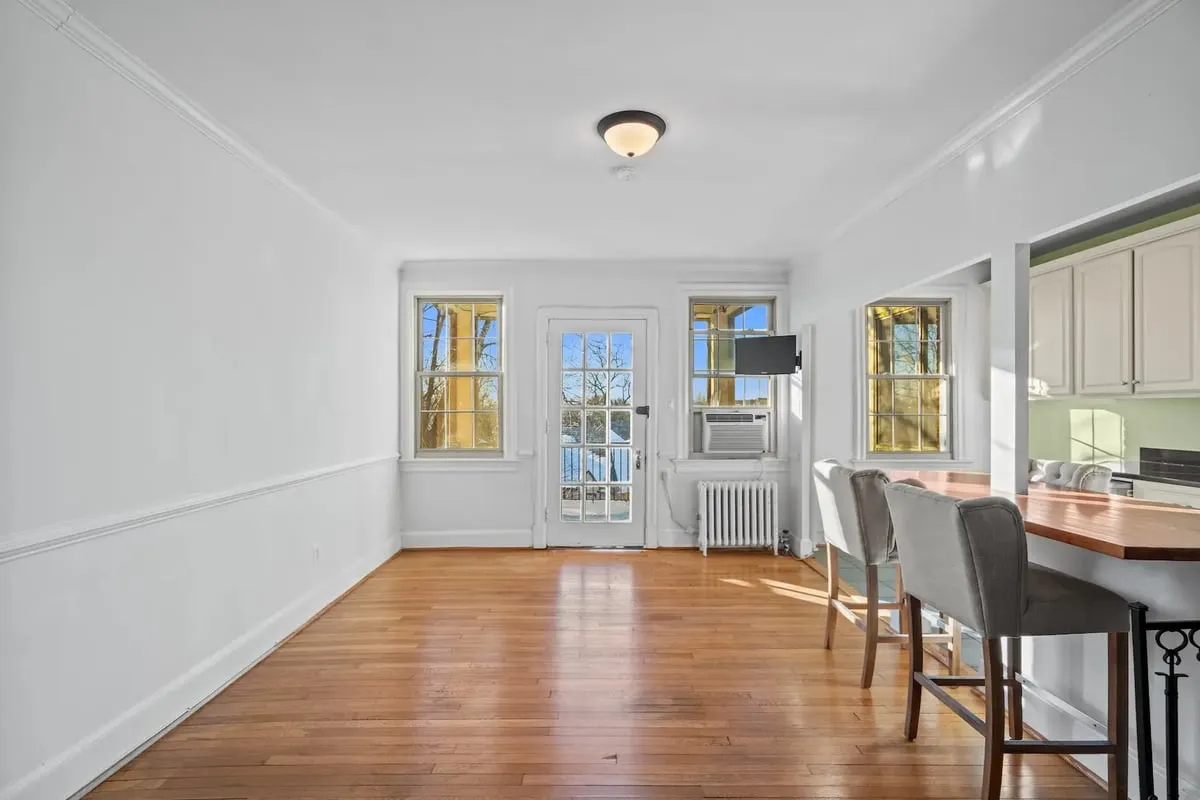
Before Virtual Staging
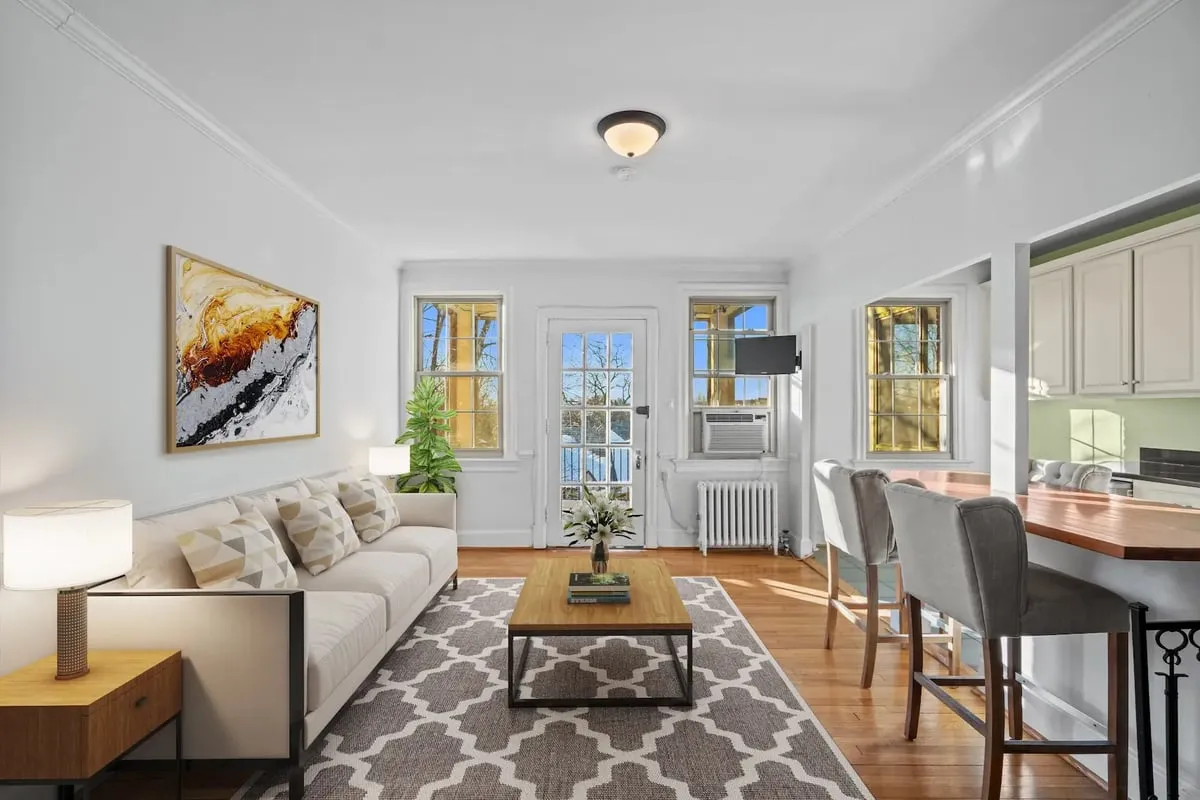
After Virtual Staging
The Power of Virtual Staging in Real Estate
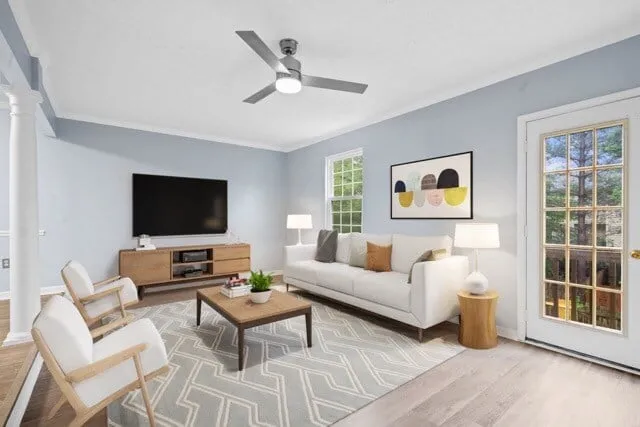
In today’s competitive real estate market, making a lasting impression is crucial. Virtual staging offers a powerful tool to enhance the appeal of vacant homes. By digitally furnishing and decorating empty spaces, potential buyers can envision themselves living in the property, making it easier to form an emotional connection.
Virtual staging highlights the property’s best features — spacious rooms, natural lighting, and architectural details — and provides a modern, efficient alternative to traditional staging methods. Traditional staging can be time-consuming and expensive, involving the physical movement of furniture and decor. In contrast, virtual staging uses high-quality digital renderings to create a visually appealing environment, allowing real estate agents to showcase the potential of any property regardless of its current state.
Benefits of Virtual Staging for Real Estate Agents
-
Increases property appeal: Virtual staging helps agents showcase properties in their best light by allowing potential buyers to visualize the space fully furnished, even if the home is empty. This added appeal attracts more interest online and brings more potential buyers through the door.
-
Faster than traditional staging: Virtual staging skips furniture rental, moving fees, and setup labor — making it ideal for high-volume listings or anything on a tight timeline.
-
Faster turnaround: Virtual staging can typically be completed within a day or two, speeding up the listing process and allowing agents to get properties on the market sooner.
-
Flexible style options: Agents can choose various staging styles — modern, rustic, traditional — to match the buyer demographic or the architectural style of the home. This versatility lets agents target specific buyer preferences.
-
Enhances online presence: With most buyers starting their home search online, well-staged, attractive photos make listings stand out in a competitive digital market. Virtual staging boosts online engagement, leading to more showings and quicker sales.
How Virtual Staging Works: Step by Step
The process is straightforward:
- High-resolution photos of the vacant property are taken
- Professional designers use specialized software to add furniture, decor, and other elements to the images
- The enhanced images are ready to use in marketing materials, online listings, and social media campaigns
This digital transformation can be achieved in a fraction of the time and cost associated with traditional staging.
Best Practices for Virtual Staging
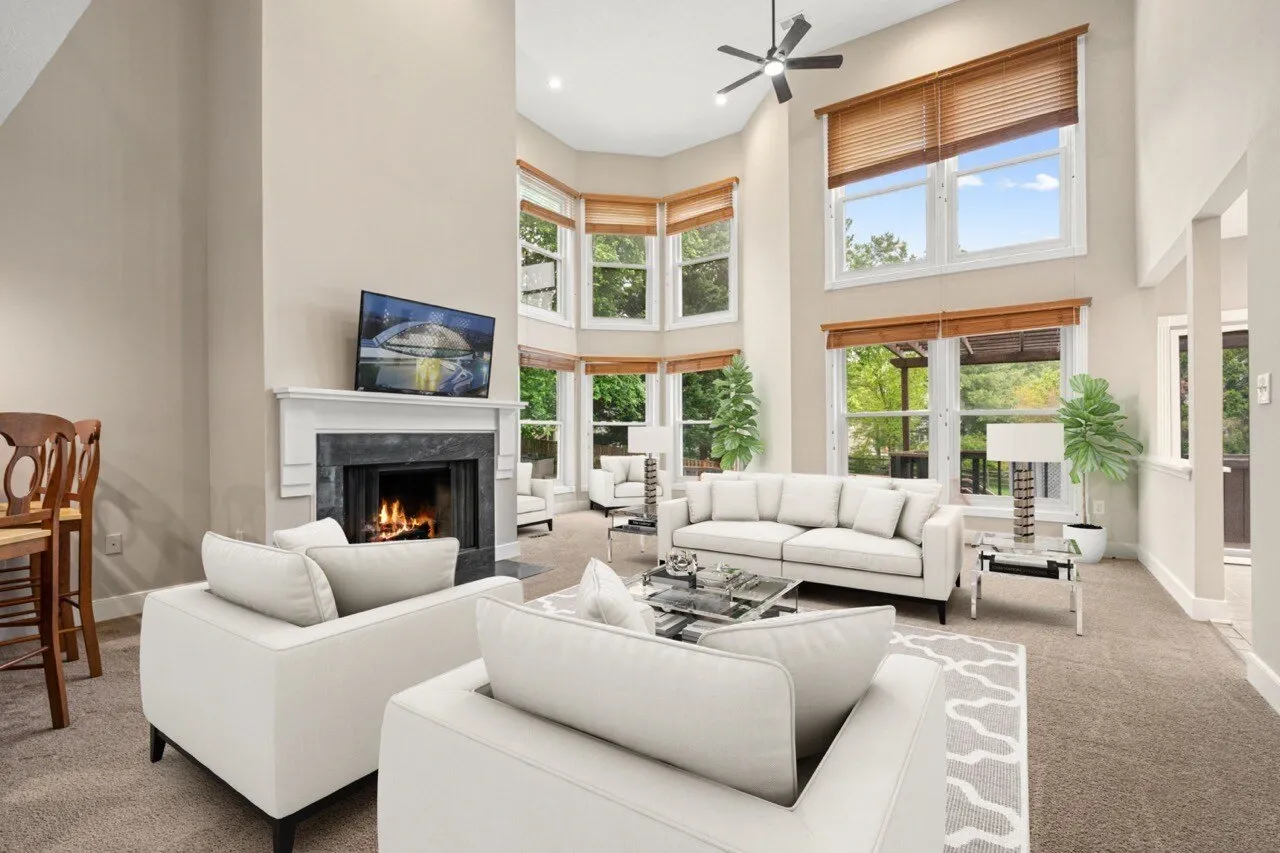
- Select high-quality images that accurately represent the property’s dimensions and lighting
- Work with experienced designers who understand interior design and can tailor the staging to highlight the property’s strengths
- Maintain balance between style and functionality — virtual furnishings should complement the space without overwhelming it
- Align with current trends — match the color palette and decor style with market trends and the home’s architectural style
- Always disclose that the images are virtually staged to maintain transparency with potential buyers
Summary
Virtual staging has transformed real estate by offering a efficient and efficient alternative to traditional staging. It digitally furnishes properties, enhances buyer connections, and saves time and money. This method provides flexible style options and boosts online presence, making it essential for agents looking to attract interest and achieve quicker sales.
Ready to transform your vacant listings? Explore Umedia’s virtual staging services and see the possibilities.